The Quiet Power of Boring Businesses
By Skye Castro on August 3, 2026

Not every great business makes headlines
When people think about successful companies, they often imagine fast-growing startups, cutting-edge technology, or billion-dollar innovations. Media coverage tends to focus on artificial intelligence, electric vehicles, social media platforms, and revolutionary new products.
Yet many of the world’s most reliable and profitable businesses operate far from the spotlight.
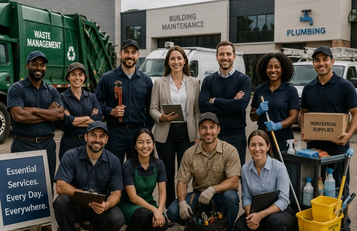
Companies that manufacture packaging, provide plumbing services, manage waste collection, distribute industrial supplies, clean office buildings, or maintain commercial equipment rarely become viral success stories. They may seem ordinary—even boring—but many generate steady profits year after year.
In business, excitement and profitability are not always the same thing.
Boring businesses solve everyday problems
One reason these businesses succeed is simple: they provide services that people consistently need.
Buildings always require maintenance. Businesses need accounting, logistics, cleaning, security, and equipment repairs. Homes need electricians, plumbers, roofers, landscapers, and heating systems.
Unlike products driven by trends or changing consumer preferences, these services often remain essential regardless of economic conditions.
Because demand is relatively stable, many so-called boring businesses enjoy predictable revenue and long-term customer relationships.
Customers may not talk enthusiastically about waste management or commercial cleaning, but they are willing to pay reliably for these services because they solve practical problems.
Competition is often lower
Many entrepreneurs chase fashionable industries because they appear exciting or promise rapid growth.
As a result, highly visible markets often become crowded with competitors fighting for the same customers.
Boring industries frequently experience the opposite.
Fewer entrepreneurs dream of starting companies that repair industrial machinery, install insulation, manage storage facilities, or supply commercial kitchens. Lower competition can make it easier to establish a strong local reputation, build customer loyalty, and maintain healthy profit margins.
In many cases, success depends less on groundbreaking innovation and more on delivering dependable service consistently over many years.
Reliability itself becomes a competitive advantage.
Cash flow often beats attention
Many startups prioritize rapid growth, sometimes operating at a loss for years while seeking investors.
By contrast, many traditional businesses focus on generating positive cash flow from the beginning.
Consistent cash flow allows owners to pay employees, invest in equipment, expand operations, and weather economic downturns without relying heavily on outside funding.
Businesses with recurring customers—such as maintenance contracts, subscription services, business-to-business suppliers, or property management firms—often benefit from predictable monthly income.
While they may never dominate technology headlines, these companies can quietly build substantial value over decades through disciplined operations and steady profitability.
Success doesn’t have to be glamorous
One of the biggest lessons in entrepreneurship is that customers care more about solutions than excitement.
People don’t hire accountants because accounting is entertaining. They hire them because taxes must be filed correctly. Businesses don’t purchase cybersecurity services because they are exciting—they do so because protecting sensitive information is essential.
The companies that quietly solve important problems often build deep trust with customers, creating lasting relationships that support sustainable growth.
Many successful entrepreneurs spend less time chasing trends and more time improving efficiency, customer service, and operational excellence within industries that others overlook.
Ultimately, the most successful business opportunities are not always the most glamorous. Boring businesses often thrive because they solve essential problems, face less competition, generate reliable cash flow, and build long-term customer relationships. While they rarely attract headlines or social media attention, these companies demonstrate that lasting business success is often built on consistency rather than excitement. In the end, the quiet power of a boring business lies in its ability to deliver dependable value year after year—and that can be one of the strongest competitive advantages of all.